Introduction: As enterprises adopt Taiwan servers, commonly known as cloud hosting data, legal compliance and data protection have become key priorities. This article focuses on legal frameworks and practical requirements, providing key data protection points for Taiwanese cloud hosts, helping enterprises meet both compliance and security requirements during the design and operation stages.
Taiwan has clear data protection legislation, and when deploying cloud hosts in Taiwan, companies must identify applicable laws, regulatory authorities, and penalties. Different types of data (personal data, trade secrets, etc.) have different applicable obligations and exceptions, so data classification and legal application assessment must be conducted first.
The Personal Data Protection Law (including relevant subsidiary laws and guiding principles) sets out fundamental obligations regarding the collection, processing, and use of personal data. When using Taiwan cloud hosts, enterprises should ensure they have a legal basis, clarify the purpose of handling, and implement notification, consent, and rights enforcement mechanisms.
Transferring data from within China to or out of Taiwan involves cross-border transmission risks. The level of destination protection should be assessed, and necessary technical or legal safeguards should be implemented, such as contract terms, cross-border transfer mechanisms, or safeguards recognized by competent authorities.
When storing data on Taiwan cloud hosts, data partitioning, storage locations, and access boundaries should be clearly defined, adopting the principle of least privilege and layered storage strategies. Sensitive data should be restricted to the access subjects and processing logs should be recorded for audit and accountability.
Strengthening access control is a core measure, employing multi-factor authentication, role separation, and minimum privilege configuration, and regularly reviewing account permissions. For third-party operations personnel, temporary vouchers and detailed authorization processes should be implemented to reduce internal risks.
Specify the retention period and periodically delete or anonymize data according to statutory or business requirements. Establish verifiable deletion processes and records to address the parties' requests for deletion rights, regulatory audits, or legal claims.
When facing judicial or administrative requests for materials, legal procedures, notification obligations, and defense rights should be clearly defined. Establish transparent procedures with cloud host providers to ensure prompt, compliant responses and retention of necessary records when law enforcement requests are received.
In addition to encryption, enterprises should establish mechanisms for intrusion detection, centralized log management, vulnerability management, and emergency response. Combined with regular penetration testing and security assessments, we ensure that cloud host environments continuously meet security benchmarks in configuration, patching, and monitoring.
Encryption of appropriatestrength should be used for both static and in-transit data, and key management should be independently controlled and audit trailed. Backup strategies should consider geographic multi-pointing, encryption, and regular recovery drills to ensure availability and disaster recovery compliance.
When signing contracts with cloud host vendors, clearly define data ownership, processing purposes, sub-processor management, notification obligations, and data transfer restrictions. The SLA should include time limits for security incident reporting, allocation of responsibility, and remedial measures to facilitate clarification of legal liability.
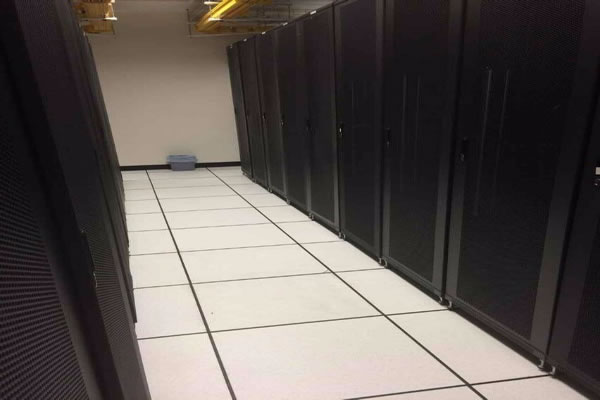
Summary and Recommendations: Legal compliance should focus on Taiwan servers, commonly referred to as cloud hosts. Data protection requirements should be implemented simultaneously from five aspects: legal application, cross-border transmission, technical and organizational measures, contractual agreements, and audit preparation. Companies should first complete data classification and risk assessment, then design governance, technical, and contract plans accordingly, conducting regular drills and audits to maintain long-term compliance and operational flexibility.
- Latest articles
- Popular tags
-

SME Selection: Comparison Of Cost Performance And After-sales Service For Taiwan Server Chassis Cloud Servers
Comparing the cost-effectiveness and after-sales service of Taiwan servers, chassis (on-premises), and cloud servers for small and medium-sized enterprises, covering performance, cost, operations, and localization support, helping enterprises make selection decisions that better meet their business needs. -

Four Tips And Tricks For Renting A Taiwan Cloud Server
this article introduces four tips and tricks for renting a taiwan cloud server to help you choose a suitable cloud server and improve website performance. -

Bandwidth And Latency Considerations In Multi-region Deployment Of Taiwan’s Distributed Server Cloud Space
discuss the key points of bandwidth planning and delay control when taiwan's distributed server cloud space is deployed in multiple regions, covering network topology, measurement methods, traffic scheduling and optimization practices, and provide actionable suggestions.